How to Judge Diamond Quality in a Necklace
Understanding the Four Cs in a Necklace Context
When you shop for a diamond necklace, the same quality factors that apply to a diamond ring also matter here: cut, color, clarity, and carat weight. But the way these factors affect the overall look of a necklace can be quite different. A diamond that looks stunning in a solitaire ring might not perform the same way when suspended on a chain. The setting, the number of diamonds, and how they interact with light all play a role. Knowing what to look for at each step helps you choose a piece that offers the best visual impact for your budget.
Start with the Cut Grade
Cut is often the most important quality factor for any diamond, and in a necklace it becomes even more critical. A well-cut diamond reflects light from facet to facet and returns it through the top, creating brilliance and sparkle. In a necklace, the diamonds move as you move, so the cut determines how much fire you see from different angles. Look for diamonds with an excellent or very good cut grade. Avoid diamonds with a poor cut, as they will appear dull and lifeless, especially in a setting where they are not as closely inspected as a ring. diamond necklace settings
For round brilliant diamonds, the proportions matter: table size, depth percentage, and symmetry all contribute to light performance. If the necklace uses fancy-shaped diamonds, such as princess or emerald cuts, the cut grade still applies, but the criteria differ slightly. Princess cuts need good symmetry to avoid a crushed look, while emerald cuts rely on clean, parallel facets. When you examine a necklace, hold it under direct light and tilt it. A well-cut diamond will flash bright white and colored sparks. A poorly cut one will look dark or glassy in certain angles.
Consider Color Grade for the Setting
The color grade of the diamonds should be chosen based on the metal and the setting style of the necklace. For a white gold or platinum setting, diamonds with a higher color grade, such as D, E, or F, appear icy white and match the metal. For yellow gold or rose gold, you can go slightly lower in color, such as G, H, or even I, because the warm metal masks any yellow tint in the diamond. In fact, a slightly warmer diamond in a yellow gold necklace can look creamy and appealing, rather than inferior.

In a multi-stone necklace, such as a tennis necklace, the color grade should be consistent across all diamonds. Even a one-grade difference can be noticeable when stones sit side by side. Ask for the color grade of each diamond if possible, or at least verify that the necklace is graded as a whole. Some jewelers sell necklaces with a stated color range, such as G-H, which means the diamonds fall within that range. This is acceptable as long as the variation is minimal. Avoid necklaces where the diamonds have a wide color spread, as the unevenness detracts from the overall beauty.
Clarity Grade and Inclusions
Clarity refers to the presence of internal inclusions or surface blemishes. For a necklace, clarity matters less than for a ring because the diamonds are farther from the eye and in motion. You can often accept a lower clarity grade, such as SI1 or SI2, as long as the inclusions are not visible to the naked eye. The key is to inspect the diamonds under normal lighting, not under a loupe. If you can see a dark spot or a cloud from a normal viewing distance, that diamond will distract from the overall sparkle.
In a necklace with many small diamonds, such as a pave setting or a channel setting, clarity becomes less critical because the small size makes inclusions harder to see. For larger center stones in a pendant, clarity matters more. A visible inclusion in a solitaire pendant can ruin the look. In that case, aim for VS2 or better. For side stones, SI1 is usually fine. The setting style also affects how much of the diamond is visible. A bezel setting hides the edges of the diamond, so inclusions near the girdle may be concealed. A prong setting exposes more of the stone, so inclusions near the center are more noticeable.
One more point: some inclusions, like feathers or cavities, can make a diamond more prone to breaking during setting or wear. For a necklace that will be worn frequently, avoid diamonds with such inclusions, especially in the prong areas where stress is highest.
Carat Weight and Necklace Design
The carat weight of the diamonds in a necklace affects both the overall look and the cost. For a single-stone pendant, a larger diamond makes a statement, but the quality should still be high. For a multi-stone necklace, the total carat weight is spread among many stones. A tennis necklace with 5 carats total weight might have fifty 0.10-carat diamonds. The visual impact comes from the collective sparkle, not from any single stone.
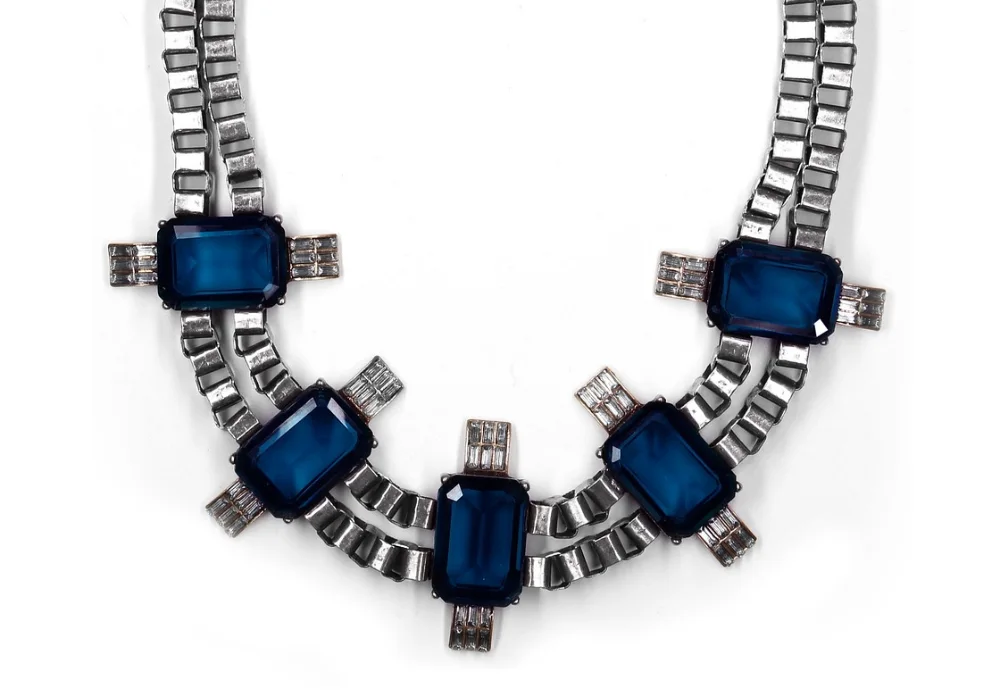
When comparing necklaces, consider the carat weight per stone and the total weight. A necklace with larger individual stones will have more brilliance per stone but may also have more gaps between them. A necklace with many small stones can appear denser and more continuous. The setting style also influences how much of the diamond is visible. A channel setting hides some of the diamond's sides, while a prong setting exposes more. For a given total carat weight, a prong setting often looks more brilliant because more of the diamond's surface is visible.
It is worth noting that carat weight alone does not determine quality. Two diamonds of the same carat weight can differ greatly in cut, color, and clarity. Always prioritize cut over carat weight, especially in a necklace where sparkle is the main attraction.
Diamond Necklace Settings and Their Impact on Quality
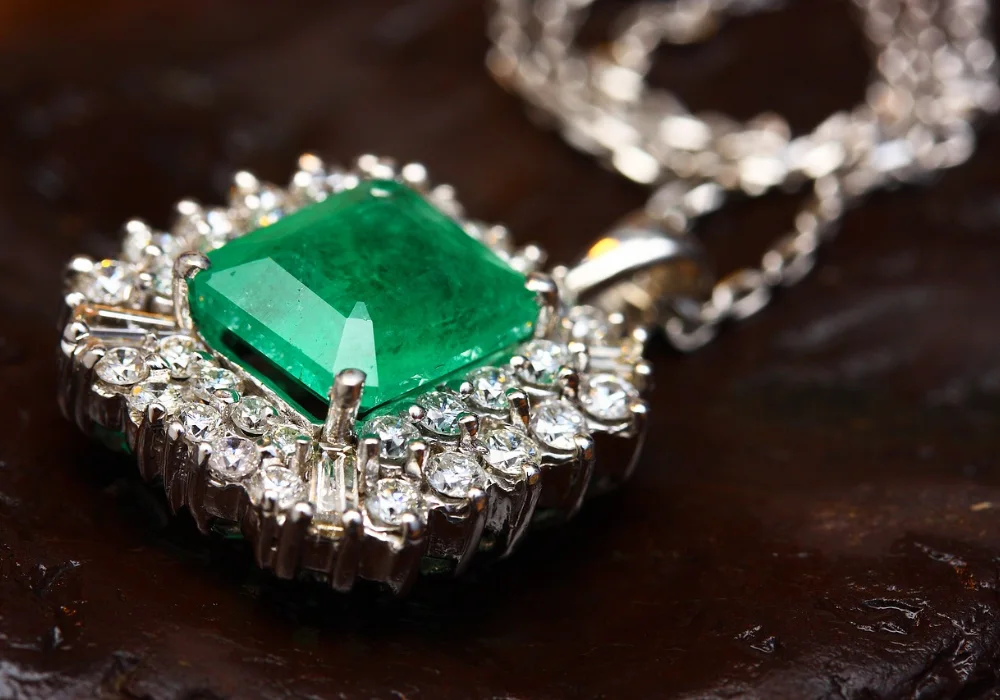
The way the diamonds are held in the necklace, known as the diamond necklace settings, directly affects how the quality factors are perceived. A prong setting uses metal claws to hold each diamond. This setting allows maximum light to enter the diamond from all sides, enhancing brilliance. It also makes the diamond appear larger because less metal covers it. However, prongs can snag on clothing or hair, and they require periodic checking to ensure they are tight. A bezel setting surrounds the diamond with a metal rim. This setting offers more protection and a sleek, modern look. It also hides the edges of the diamond, which can mask inclusions near the girdle. The downside is that a bezel reduces light entry slightly, which may lower the perceived brilliance. A channel setting holds diamonds in a row between two metal walls. This setting is common in tennis necklaces. It protects the diamonds well and creates a smooth, continuous line of sparkle. The channel setting hides the sides of the diamonds, so clarity flaws on the edges are less visible. However, if a diamond chips, repair can be difficult. Each setting has trade-offs between security, brilliance, and the visibility of quality features. Choose based on your lifestyle and how much maintenance you are willing to do.
Assess the Clasp and Chain Quality
The quality of a diamond necklace is not only about the diamonds. The clasp and chain must be durable and secure. A lobster clasp is a common choice for diamond necklaces because it is easy to use and holds well. Check that the clasp snaps shut firmly and has a small safety catch. For heavier necklaces, a larger clasp or a box clasp with a safety latch is better. The chain should have links that are soldered, not just bent, to prevent breakage. Look for a chain with a weight appropriate for the diamonds. A flimsy chain on a heavy pendant puts stress on the clasp and increases the risk of loss.
Also examine the metal finish. The gold or platinum should be consistent in color and free of scratches. For white gold, check if it has a rhodium plating that gives a bright white finish. Rhodium wears off over time and needs replating, so factor that into your care routine. For yellow gold, look for a rich, even color. The metal quality, measured in karats, should match your preference for durability and hypoallergenic properties. 14k gold is harder and more scratch-resistant than 18k, but 18k has a deeper color. Platinum is the most durable but also the most expensive.
Putting It All Together: A Practical Checklist
When you evaluate a diamond necklace in person or online, follow these steps:
- Check the cut grade of the diamonds. Excellent or very good is preferred. View the necklace under direct light to see the sparkle.
- Choose the color grade based on the metal. Higher grades for white metals, lower grades for warm metals. Ensure consistency across all diamonds.
- Select a clarity grade that is eye-clean. For small diamonds, SI1 is usually fine. For larger center stones, aim for VS2 or better.
- Consider the total carat weight and the size of individual stones. A necklace with larger stones will have more brilliance per stone, while many small stones create a dense sparkle.
- Examine the diamond necklace settings. Prong settings maximize brilliance but require maintenance. Bezel settings offer protection but reduce light entry. Channel settings create a smooth line but make repairs harder.
- Inspect the clasp and chain. A lobster clasp with a safety catch is reliable. The chain should be sturdy and the links soldered.
By following these steps, you can judge a diamond necklace on its own merits, not just on the total carat weight or the brand name. The best necklace for you balances the Four Cs with the setting style and the quality of the metalwork. Take your time, compare a few options, and always view the piece in natural light if possible. A well-chosen diamond necklace can last a lifetime and become a cherished piece in your jewelry collection.